Electrical Safety Rules Every Beginner Electrician Must Know
Understand the Risks Before Starting Any Work
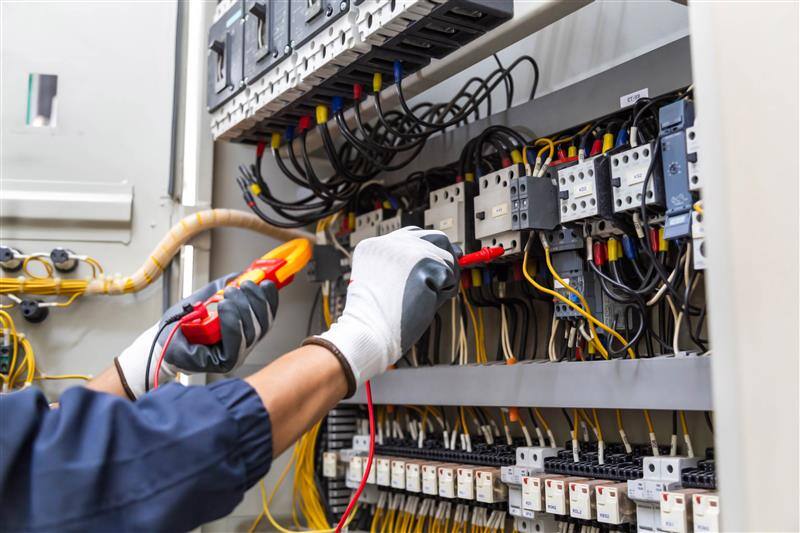
Electrical work always involves risk, especially for beginners. Contact with live wires, faulty equipment, or poorly installed systems can cause serious injuries or damage. Before starting any task, it is important to understand what you are working on, identify potential hazards, and never assume a circuit is safe just because power seems off. Using a voltage tester and following basic checks should become a habit from day one. Awareness is the first step to staying safe on any electrical site.
Use Proper Tools and Personal Protective Equipment
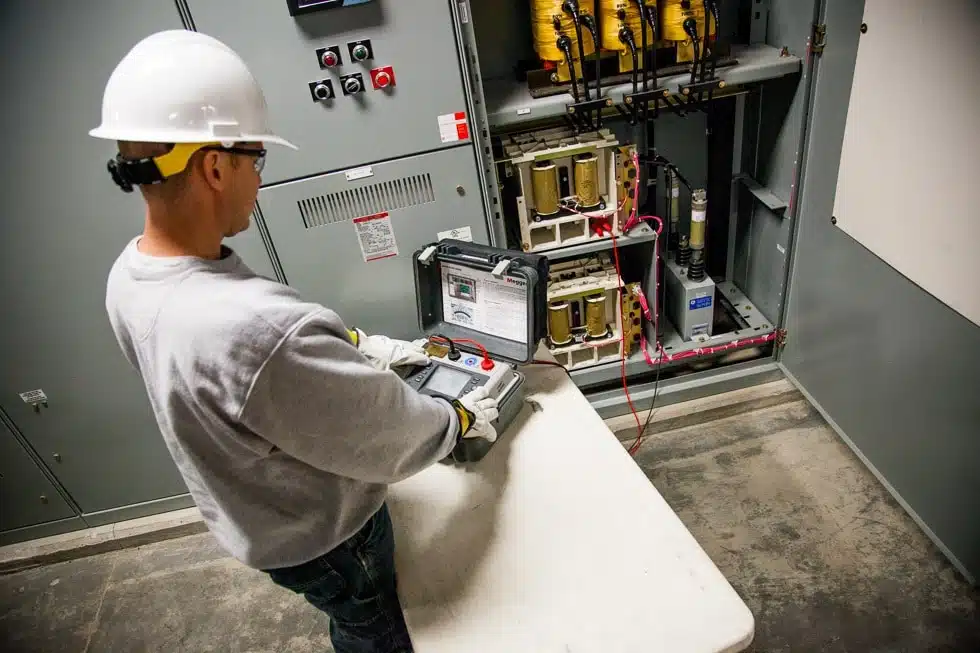
Working with the right tools is not optional in electrical jobs. Insulated screwdrivers, proper measuring devices, and tools in good condition reduce the chance of accidents. Personal protective equipment such as insulated gloves, safety shoes, and protective eyewear should always be used, even for simple tasks. Beginners often underestimate small jobs, but many accidents happen during routine work when protection is ignored.
Follow Correct Procedures and Never Rush
One of the most important safety rules for beginner electricians is to follow procedures carefully and never rush. Circuits should always be disconnected and locked out before working on them. Wires must be labeled clearly, connections secured properly, and installations checked twice before restoring power. Taking time to work step by step helps prevent mistakes that can lead to shocks, short circuits, or future failures.
Keep the Work Area Clean and Organized
A clean and organized work area plays a big role in electrical safety. Loose cables, tools on the floor, or cluttered panels increase the risk of accidents. Beginners should develop the habit of keeping tools arranged, removing unnecessary materials, and maintaining clear access to electrical panels. Good organization not only improves safety but also helps electricians work more confidently and accurately.