Works Approval (NP-11): Technical Safety Guarantee
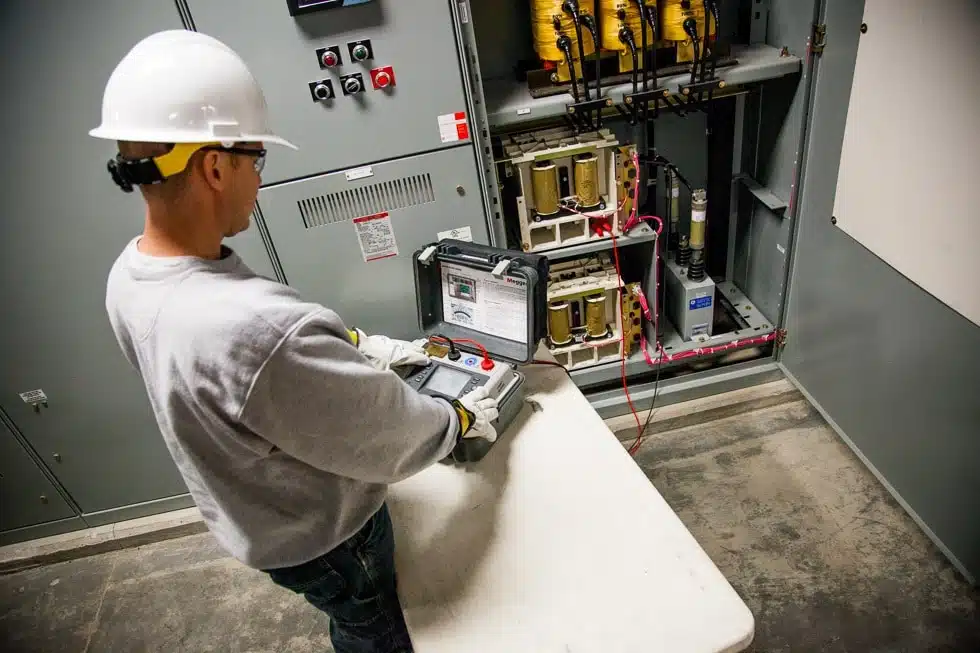
Electrical installation approval, known in technical terminology through the NP-11, NS-5 and NS-14 licenses, is the final and most crucial process of any installation. This process is not just a legal formality, but a detailed inspection that verifies whether the work carried out meets the project specifications and technical safety rules. While an amateur installation often suffices with turning on the lights, a professional approval verifies each component to ensure that the system is reliable and stable for a long time.
Difference in safety standards and verification
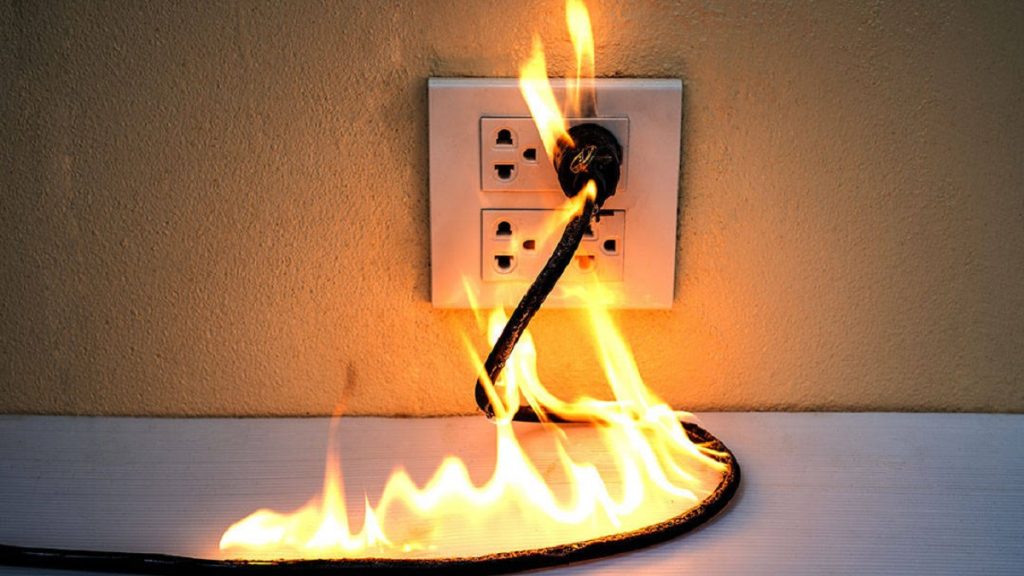
The main difference between an amateur and a professional installation lies in the verification of safety conditions. During approval according to NP-11 standards, we carry out commissioning inspections and final inspections to verify whether the installation protects people and equipment. This includes testing the differential device to ensure that it reacts correctly to faults, something that amateur installations often neglect, creating hidden risks of electric shock or fire.
Accuracy in design and power distribution
A professional installation is based on proper industrial electrical designs, where the power distribution is accurately calculated. During the commissioning process, our experts supervise whether the works follow the project plans and whether the lines are correctly dimensioned for the load they will carry. Contrary to amateur works that use unsuitable materials, commissioning guarantees that the installation complies with the requirements of the highest technical standards, ensuring long-term performance without overloads.
Technical documentation and traceability
Another element that separates a professional installation from an amateur one is documentation. Commissioning involves drawing up detailed records for machinery, equipment and electrical installations. This documentation ensures traceability and compliance with safety requirements, serving the business for future inspections or maintenance plans. An amateur installation is rarely accompanied by technical diagrams and reports, making any future repairs more difficult and costly.
System reliability in critical conditions
Professional commissioning ensures that the system is integrated with all protective measures, including protection against atmospheric discharges and MV/LV grounding systems. We assess whether each component is installed safely and whether the configuration is reliable to withstand emergency situations. By choosing a professional commissioning service, you eliminate the risk of premature failures and ensure a safe working environment, in full compliance with applicable legislation.